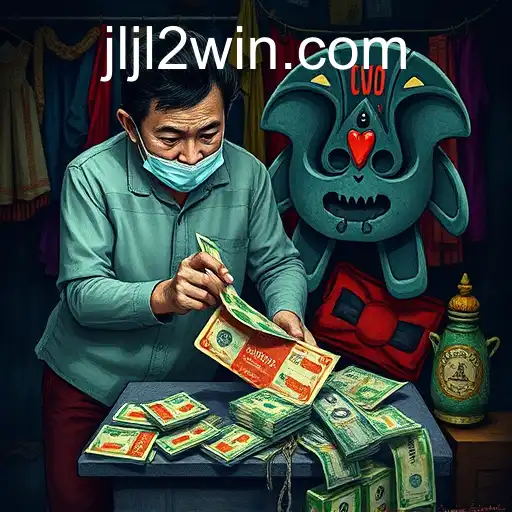
Understanding Jueteng: An Illegal Numbers Game in the Philippines
Jueteng is a significant part of the cultural and socio-economic landscape in the Philippines. Despite its illegal status, this numbers game has maintained a pervasive presence, deeply engrained in many communities. To fully grasp the phenomenon of Jueteng, one must consider its historical roots, its operational dynamics, and its impact on society.
Historical Roots of Jueteng
Jueteng has a long and storied past in the Philippines. This game of chance can trace its origins to the colonial period when it was introduced by Chinese immigrants. Over the years, it has evolved and adapted, becoming entrenched in local culture. People from various socio-economic backgrounds participate in Jueteng, either as bettors or operators, highlighting its widespread appeal.
How Jueteng Works
While the specific mechanics of Jueteng can vary, the basic structure remains the same. Players pick a set of numbers, often from one to thirty-seven, and place bets on their chosen combination. Results are drawn based on a lottery-style process, making the game exciting yet unpredictable. Despite its simplicity, Jueteng involves a complex network of operators, bet collectors known as 'kubradores', and local financiers dubbed 'financeers', who together keep the system running.
The Role of Local Politicians
The persistence of Jueteng can be attributed in part to the protection it allegedly receives from some local officials. Jueteng's extensive network and the votes it can influence make it a valuable commodity for politicians seeking office. This symbiotic relationship often leads to a 'blind-eye' approach, where the benefits of maintaining the status quo outweigh the risks of legal enforcement.
Societal Impact of Jueteng
Jueteng's effects on the community are both overt and subtle. Economically, it offers income opportunities for those involved in its operation. Collectors and operators can earn a living from the game, while winners often use their earnings to improve their living standards. However, these short-term benefits are overshadowed by the social issues Jueteng perpetuates, such as promoting gambling addiction and financial instability in vulnerable families.
Legal Attempts and Challenges
Despite ongoing efforts to curb Jueteng, enforcement remains a formidable challenge. The entrenchment of Jueteng within communities, combined with its covert nature and the complicity of some officials, makes it difficult to dismantle. Anti-jueteng laws exist but are often inconsistently applied. Periodic crackdowns might temporarily disrupt operations, but as history has shown, they seldom result in long-term solutions.
Alternative Solutions
Some have suggested the legalization and regulation of Jueteng as a way to manage its impact and generate government revenue. Supporters of this approach argue that controlled gambling could be an effective tool for funding social programs. However, critics maintain that legalization could lead to increased gambling issues and moral decay, complicating the debate further.
Cultural Significance
Beyond its economic and legal aspects, Jueteng holds cultural significance. It represents resilience and adaptability, qualities inherent in Filipino society. The game is often viewed as a social equalizer, allowing individuals from different walks of life to participate in the hopes of striking it rich. Yet, the allure of quick wealth also highlights broader issues within the country's economic framework, where opportunities are scarce, and wealth is unevenly distributed.
The Future of Jueteng
The future of Jueteng remains uncertain. While technological advances and globalization continue to shape societal norms, the timeless appeal of Jueteng proves resilient. It resides in a gray area; an illegal activity that is, paradoxically, a part of the everyday life and identity for many Filipinos. Addressing Jueteng involves navigating complex cultural, social, and economic factors, a task that requires not just legal remedies but also substantial shifts in public policy and societal attitudes.